


Arguably the biggest goal when buying a new flip home is to avoid buying a complete money pit. If you’re looking to make a profit on your new project instead of flushing all your money down the toilet, then keep reading! We’ve compiled seven key things you definitely want to look out for when buying a flip home.
- Potential foundation & water issues
This is a big one, folks. Call the orthopedic surgeon because we need to make sure these bones are good! Foundation issues can lead to a whole mess of secondary problems that you definitely don’t want. These issues include but are not limited to: uneven flooring due to sinking, pest control problems and plumbing issues accompanied by mold and mildew. The last thing you want is your new project sinking into the abyss taking all your time and money with it. Here are some red flags that can help you identify these issues and avoid a big stinking hot mess:
- Cracks in the walls (usually horizontal or diagonal from doors/windows)
- Evidence of water or moisture along wall edges
- Uneven floors
- Bowing, leaning or bulging walls (look carefully at walls from the side)
- Excessive cracking in drywall or plaster
It’s also important to be on the look out for a newly added sump pump. Was it just put in? Then it likely had a water issue. Also keep in mind that cinderblock foundations are typically much weaker than poured cement.
*Houses with foundation issues can make sense for the investor if the property is obtained at the right price point. With a trusted and price-conscious foundation expert, these houses may work for you- but it is still important to know your budget and what you’re getting into to avoid a nasty surprise party!
- Condition of mechanicals
These big boys include the furnace, water heater and air conditioning system. Many cities require a Certificate of Occupancy and to pass a series of inspections. We don’t have any tips on how to make sure you don’t get a difficult inspector but we do have some tips on what to look out for to avoid a surprise fix-it list as long as a CVS receipt.
- Are any mechanicals going to need to be replaced?
- Will the furnace pass a safety check by a licensed HVAC technician?
- Is there central A/C? Window units are a good indicator! If not, is it in the budget to install? (Typically, buyer preferred)
- Are all bathrooms and laundry rooms vented properly? (Not into the attic)
- Does the hot water heater have a large enough capacity for the home?
- Is the hot water heater rusted at the bottom?
In larger homes or homes where additional bathrooms are added- a larger water tank or a second tank are often needed.
- Roofing condition
Let’s look at the roof! Is it on fire? No? Good. Next, take a look at some other important features:
- Are there curling shingles?
- Signs of recent leaks from inside the home?
- Are there dimensional or flat shingles?
- Are there any missing facia or soffits?
- Is there adequate ventilation?
- Is there mold in the attic? (This is very important to check and expensive when found through a home inspection.)
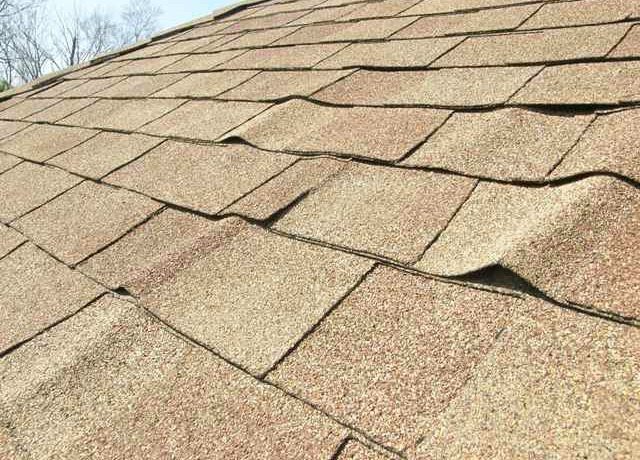
It’s important to know that soffit must be properly vented with either ridge vents (in the attic at the peak of the house) or roof vents (square boxes on the roof). Also keep in mind when checking the roofing that the East side will usually get faded and dry out more quickly due to sun exposure.
PRO TIP: Snow doesn’t always suck really bad. Most of the time, yes. But if you live in an area that gets the cold white stuff and there’s been a decent snowfall, it can actually help you assess the quality of ventilation and insulation. Loss of heat will result in melting snow. If there’s snow there then that’s a sign of good insulation.
- Windows
Windows, the eyes to the soul – or something like that. Here’s what to look for:
- Are there any broken seals?
- If so and they’re a vinyl double pain window, then it’s fairly inexpensive to replace the glass opposed to replacing the entire window.
- Are there old wood windows?
- Depending on the area and the price point, new windows could be a huge benefit. They have a major impact on the final product and they go a long way with buyers.
- Does the garage have windows? If so, don’t forget to check those bad boys out!
- Are there any single pane glass windows that need replacing?
Also, take a look at any basement windows, if applicable. Glass block windows are inexpensive and really make a difference in overall presentation of basements.
- Electrical Panel
It’s important to check out the electrical. Shocking.
- Is the panel large enough to handle additional breakers to accommodate additions to the home? (100 amp+ and a minimum of 30 breakers)
- Is it up to code? Make sure it’s safe and will pass inspection when that guy rolls through.
- Is it grounded?
- Most old houses are not! Older homes use copper water line as ground but you’ll need a minimum of two ground rods.
- Make sure that the supply line is 10’ off the ground and the line isn’t frayed.
Be on the lookout for flickering and dimming lights. If it’s just one then it’s most likely the bulb or fixture, but if it’s throughout the entire house (and weather is not currently a factor), then you could be looking at a much bigger issue. There could be an overloaded circuit or wiring issues. If there’s wiring issues, is it in the home (investor’s responsibility) or is it the main power lines (energy company’s responsibility)?
- Layout/Floor Plan
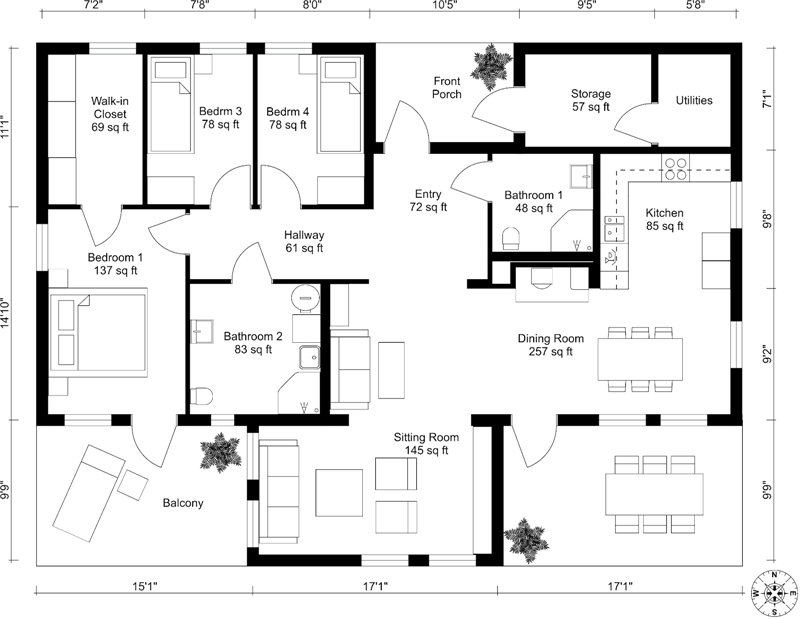
It doesn’t take much to notice a wacky layout. Sometimes oddities add character to a home but some floor plans or structures just make no sense and limit accessibility, comfort and ease. Some are just really uneasy on the eyes. Not what you want unless you’re looking at houses in Funky Town. Take a look around and prepare for necessary changes as those funky floor plans WILL impact your sales price. It’s your job to make it not so goofy.
- Are there any funky layout issues like super narrow stairways, weirdly angled ceilings in bungalow rooms, doors that hit walls before opening all the way, etc.?
- Are there enough bathrooms? If you’re looking at a multi-level home, is there a bathroom on the main level?
- Is there a way to open up the floor plan if the home calls for it?
- If so, be sure to check for load bearing wall restrictions, if there’s electrical and HVAC within those walls and potential flooring issues once the walls have been removed.
- If you are removing walls, is support required?
- Exterior
Don’t judge a book by its cover, but we need to make sure the cover is okay too. We already mentioned to check the roof! Now there’s a few other things you’ll want to look at on the exterior.
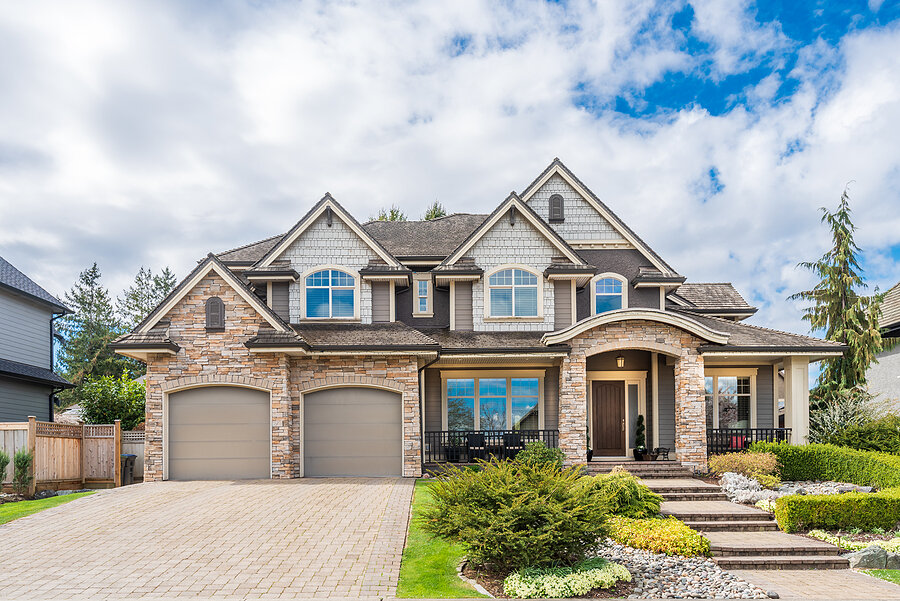
- If there’s siding, what’s the condition?
- If there’s brick, is tuck pointing needed?
- Check the driveway and walkways.
- How’s the condition of the cement?
- Is there cracking, lifting or heaping?
- Are there any trip hazards? (Be sure to check the porch cap for crumbling or cracking, if applicable)
These tips apply to the garage as well, if there is one. It’s important not to overlook exterior curb appeal. This is your property’s first impression on buyers and it matters! A little TLC to landscaping can go a long way, too.
Hey! We just want to mention that the issues mentioned in these seven points are not necessarily dealbreakers (even the big ones). These are just tips on things to look for and take into consideration when putting offers in on properties. There’s nothing worse than being at the tipping point of a set budget then finding out you need a French drain installed for $6K, a new roof for $9K, being told the house is on city sewer but it’s actually septic and next thing you know there’s a literal poop volcano erupting in the backyard, etc. Be diligent, thorough and mindful of your budget. Have realistic expectations and most of all, have a little fun!
Written By Lindsay Morgan
Lindsay is a blog writer covering “7 x 1701” by 1701 Homes.
1701 Homes is a real estate investment company in Metro Detroit.
